
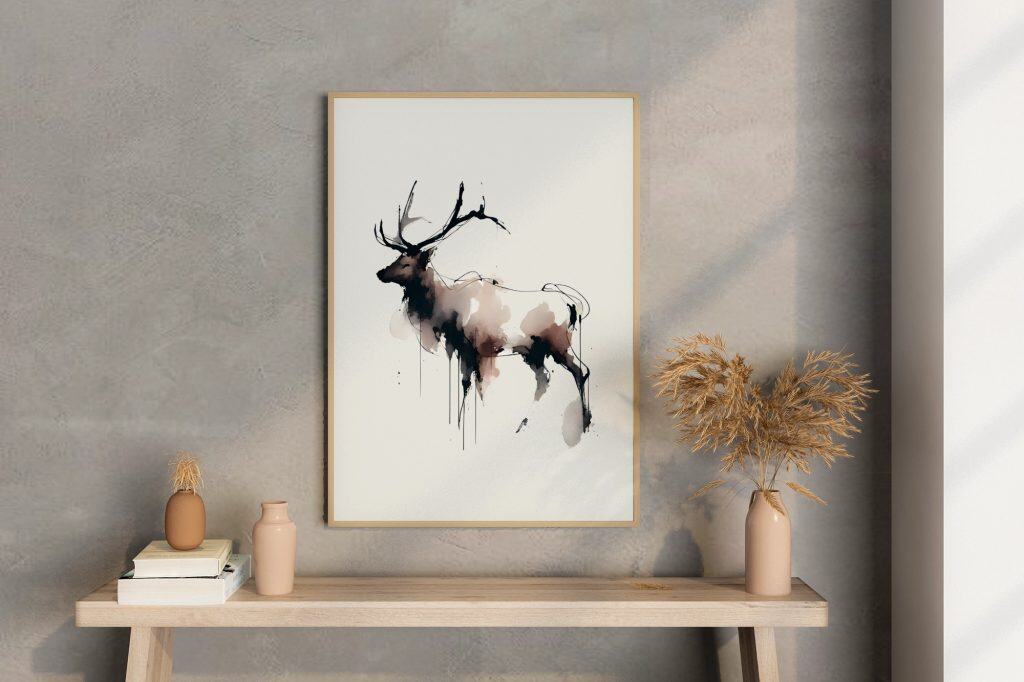
Minimalist spaces rely on proportion, restraint, and balance. Wall art plays a central role in shaping that calm.
What Makes Wall Art Feel Minimal
- Thoughtful scale
- Limited color palettes
- Simple compositions
- Intentional placement
Minimalism is less about emptiness and more about clarity.
Choosing the Right Size
Larger pieces with breathing room often feel calmer than many small pieces. When unsure, the Wall Art Size Guide provides reliable starting points.
Placement Matters
Minimalist art should feel connected to furniture. Lower placement and clean alignment help maintain visual calm. The Hanging Height Guide offers practical placement rules.
Single Pieces vs Groups
Single statement pieces often work best. If grouping artwork, spacing should be generous and consistent. The entire grouping should read as one shape, similar to a gallery layout.
Avoiding Visual Noise
Limit competing elements near artwork. Let pieces stand on their own rather than filling every wall.
Final Thoughts
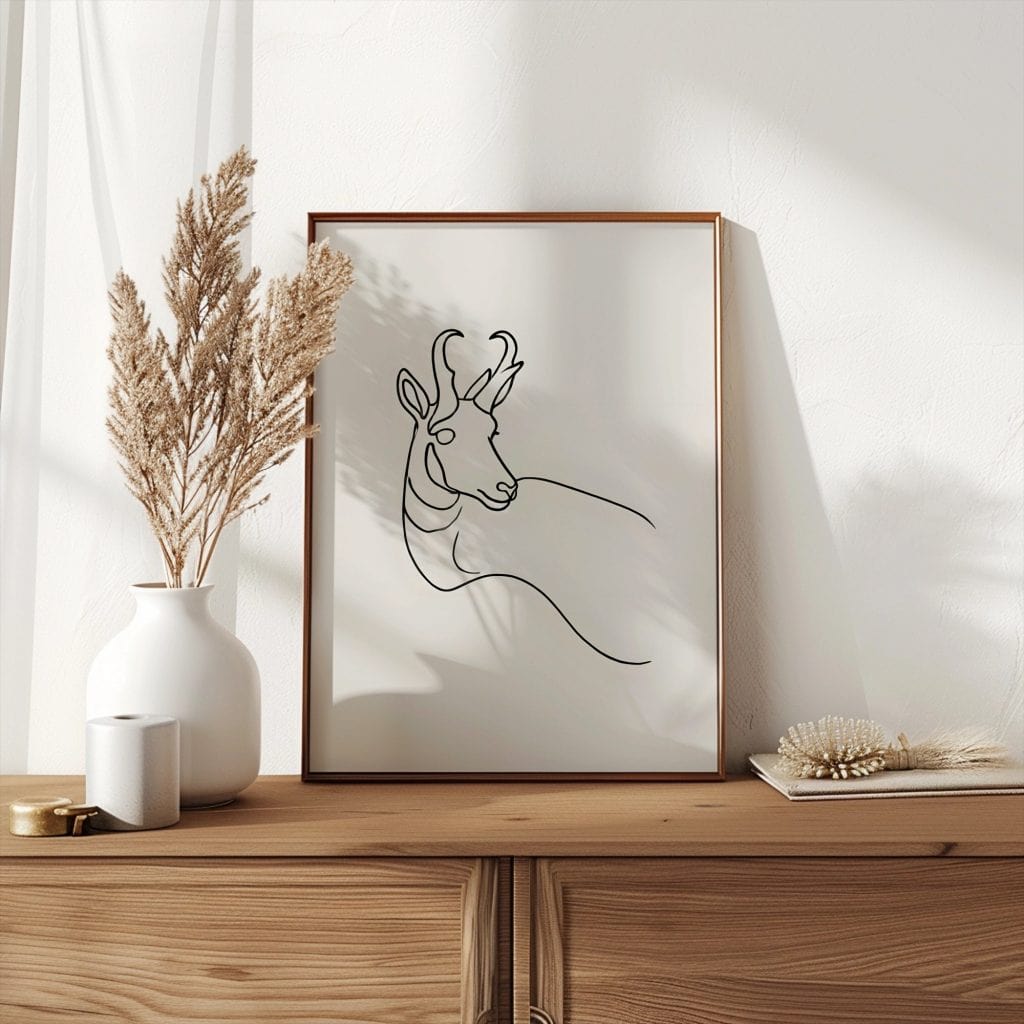
Minimalist wall art creates space to breathe. Thoughtful size, placement, and restraint help rooms feel balanced and intentional.